Inflammation, Aging, and Chronic Pain: Why Long-Term Healing Matters
If you asked, you would discover that everyone in healthcare understands the importance of long-term outcomes in the management of any disorder. In the management of pain, however, this often ends up deprioritized. It’s understandable, of course. When a person presents with pain the thing that they care about is pain. Managing pain is not always the same as managing the disorders that become pain. Some very good pain interventions can act as a piece of tape over your check-engine light, allowing the pain causing disorder to become entrenched. A classic result of ignored or mismanaged pain is Degenerative Arthritis.
How Inflammation Drives the Healing Process
The dynamics that result in pain almost always result in inflammation of some sort. Inflammation has been the subject of much discussion, and for good reason. In this context, the important role of inflammation is that it triggers the repair process. Particularly, proliferation of endothelial cells and fibroblasts, which mark responses by vascular and structural tissues physiologically. Throughout the body, inflammation that triggers the repair process wherein the repair process goes wrong is unfortunately common. Fibrosis of the lungs, cirrhosis of the liver, atherosclerotic plaquing of the arteries can all be described as disorders wherein inflammation became a proliferation of tissue wherein the proliferation or the repair became a pathology. There is an extent to which this happens to muscles and other connective tissue.
The “Sling Effect” of Injury and Healing
Most of us could clearly see that if we had, for example, a shoulder injury, and we left it in a sling, the shoulder would stop hurting. It would very likely stop hurting sooner than if you were to undergo care and therapy for the shoulder. If you left that shoulder in the sling long enough it would heal- stiffened and quite possibly on its way to chronic pain and arthritic disorder. Almost no one would choose to leave that injured shoulder in a sling. As soon as it was possible we would get out of the sling and start caring for it and getting it moving again.
When the Body Creates Its Own “Protective Sling”
Our body affords our injuries, however, a more insidious “sling”. The immediate response to injury from our body is to protect the injured tissues. Automatically the posture, the gait and the carriage are modified to spare the injuries. This seems obvious and natural and allows us to carry on through issues of injury. Longer-term, this becomes chronic dysfunction as injured tissues heal in a way that “locks in” compensation patterns. This can lead to trigger points, fasciitis, chronic tendinitis, and disturbed joint motion, which may eventually contribute to degenerative changes and reduced function.
Why the Spine Is Especially Vulnerable
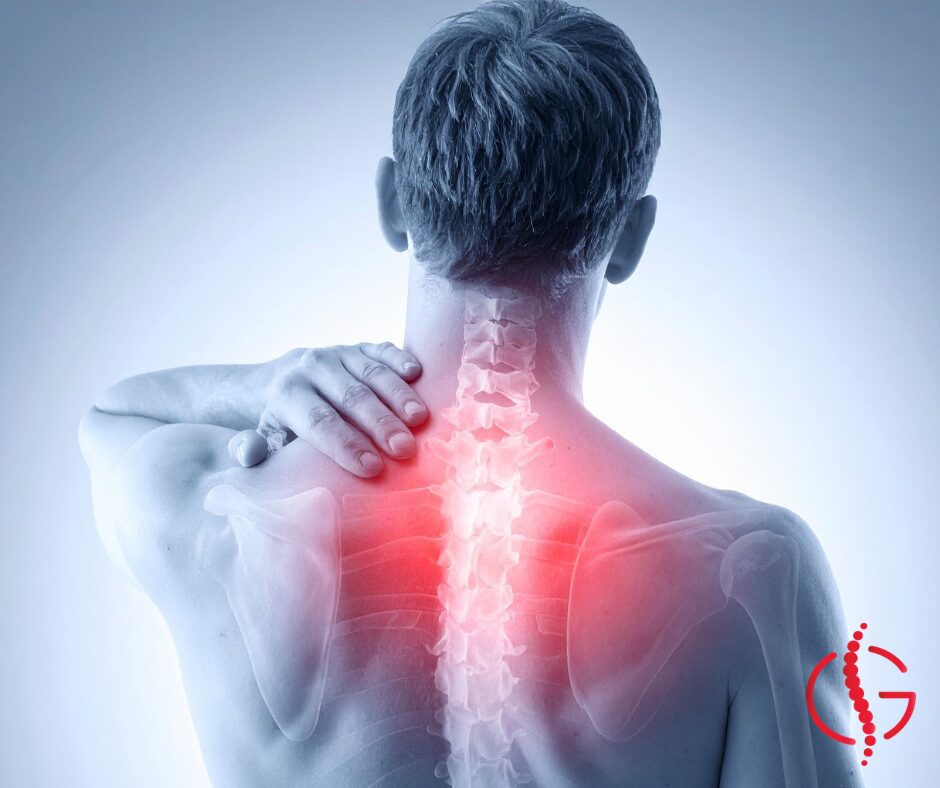
This phenomenon is particularly prevalent in the care of the spine. The spine is an assembly of multiple vertebral segments and numerous articulations, and the body is often able to maintain functional activity while simultaneously guarding and compensating for underlying injury. Over time, these adaptive patterns may progress into chronic dysfunction, pain, and degenerative change, involving both myofascial and articular structures.
Pain Relief vs. True Correction
What this means for us is that care that alleviates pain does not always equal care that manages the disorder which causes the pain such that the long-term outcome is optimized. Central to our management of injuries and subsequent pain- either acute or chronic- is to drive, simultaneously, the processes of reduction and remodeling. The Chiropractic adjustment is a catalyst for effective tissue change. Lasting tissue changes lead to lasting adjustments.
Our Approach at Grovetown Chiropractic
Here at Grovetown Chiropractic, we have developed a care protocol that addresses pain management, supports overall wellness, and emphasizes patient education and communication. Our goal is to empower patients not only to get adjusted, but to stay adjusted. This is the cornerstone of what we do.
Works Cited
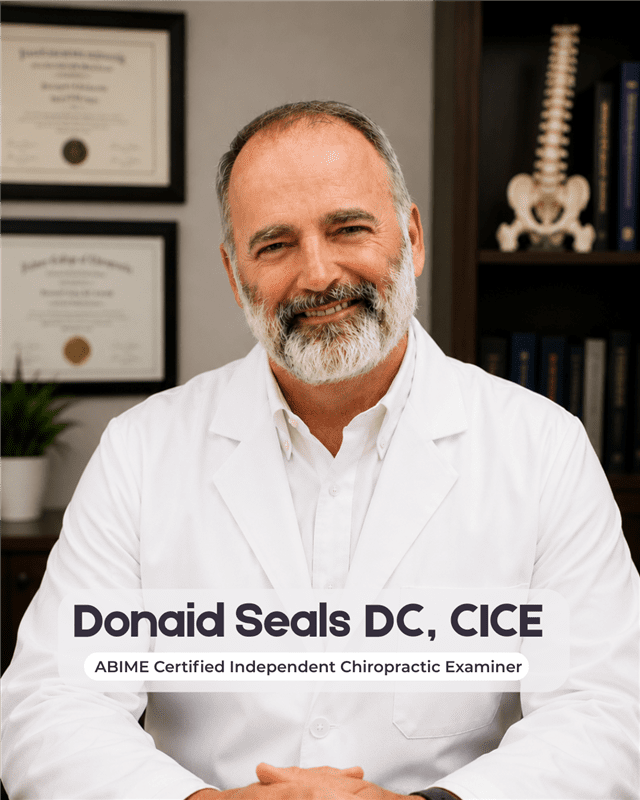
Written by: Donaid Seals D.C
Dr. Seals is a practicing Doctor of Chiropractic with over 25 years of experience caring for people. His thinking is the product of his education, practice experience and many years in the natural foods and fitness industry. He has become living proof that old muscleheads don’t die-or fade away; sometimes they grow up to bring real-world expertise to the clinical picture. Traditional background information is available here.